

Gear mechanisms‚ vital for vehicle control‚ are globally understood as engine components and transmission devices. From engines to equipment‚ gear impacts performance.
What is a Gear Shift Knob?
A gear shift knob‚ fundamentally‚ is the lever’s handle used to manually select gears in a vehicle’s transmission. Often consisting of interconnected wheels with teeth‚ it’s a crucial component for controlling wheel speed. Globally recognized as “gear” in various languages – from Portuguese “marcha” to Chinese simplified terms for engine parts – the shift knob translates driver input into mechanical action.
It’s more than just a functional part; it’s the primary interface between the driver and the gearbox. Different vehicles utilize varying gear systems‚ and the shift knob is the tangible connection. Beyond its core function‚ it’s also a customizable element‚ impacting the driving experience and vehicle’s interior aesthetic.
The Importance of a Good Shift Knob
A quality gear shift knob significantly enhances the driving experience. Beyond simply selecting gears‚ a well-designed knob improves control and feel‚ translating to smoother‚ more precise shifts. Considering “gear” as equipment or accessories‚ a superior knob contributes to overall vehicle performance‚ impacting how efficiently power is delivered.
Ergonomics play a vital role; a comfortable grip reduces fatigue during extended drives. Furthermore‚ a secure and properly weighted knob minimizes unwanted movement‚ preventing missed shifts. From engine components to driver interface‚ the knob’s quality reflects attention to detail. It’s a small part with a substantial impact on driving enjoyment and control.
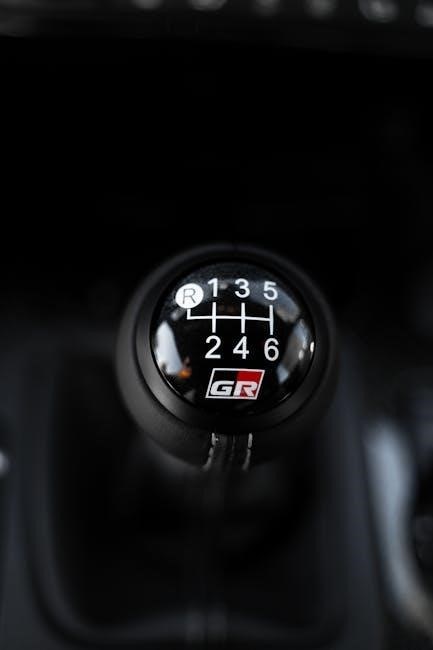
Types of Manual Transmission Gear Shift Knobs
Gear shift knobs vary widely‚ encompassing materials like metal‚ plastic‚ and wood‚ alongside diverse shapes designed for optimal grip and driver preference.
Material-Based Classification
Gear shift knobs are fundamentally categorized by their construction materials‚ each offering distinct advantages. Metal shift knobs‚ crafted from aluminum‚ steel‚ or titanium‚ provide durability and a premium feel‚ often favored for their weight and heat resistance. Plastic or resin knobs are a cost-effective option‚ offering a wide range of colors and designs‚ though generally less durable.
Wood shift knobs present a classic aesthetic‚ providing a comfortable grip and unique appearance‚ but require more care to prevent damage from moisture or temperature changes. The choice of material significantly impacts the knob’s weight‚ feel‚ and overall driving experience‚ reflecting individual preferences and vehicle style. Understanding these material properties is crucial when selecting a shift knob.
Metal Shift Knobs (Aluminum‚ Steel‚ Titanium)
Gear shift knobs constructed from metals like aluminum‚ steel‚ and titanium represent a premium segment‚ prized for their robustness and tactile feedback. Aluminum is lightweight yet strong‚ offering excellent heat dissipation and corrosion resistance. Steel provides substantial weight‚ enhancing shift feel and control‚ though it can become hot or cold to the touch.
Titanium‚ the most expensive option‚ delivers an exceptional strength-to-weight ratio and unparalleled durability. These metal knobs often feature intricate designs and finishes‚ contributing to a sporty or luxurious aesthetic. Their inherent durability ensures longevity‚ making them a popular choice for performance-oriented drivers seeking a refined gear-changing experience.
Plastic/Resin Shift Knobs
Gear shift knobs made from plastics and resins offer a versatile and cost-effective alternative to metal or wood. These materials allow for a wide range of colors‚ shapes‚ and textures‚ catering to diverse aesthetic preferences. Resin knobs‚ in particular‚ can be cast with embedded objects or pigments‚ creating unique and personalized designs.
While generally lighter than metal counterparts‚ plastic/resin knobs provide a comfortable grip and are less prone to extreme temperature fluctuations. However‚ they may exhibit lower durability compared to metal options and are susceptible to wear and tear over time. Despite this‚ their affordability and customization potential make them a popular choice for many drivers seeking a functional and stylish gear shift experience.
Wood Shift Knobs
Gear shift knobs crafted from wood offer a classic and sophisticated aesthetic‚ bringing a touch of natural warmth to the vehicle’s interior. Different wood types – such as rosewood‚ walnut‚ or maple – provide unique grain patterns and colors‚ ensuring each knob is distinct. Wood offers a comfortable‚ tactile feel‚ often developing a desirable patina with age and use.
However‚ wood knobs require more care than metal or plastic alternatives. They are susceptible to moisture damage‚ cracking‚ and fading if not properly maintained. Regular polishing and sealing are essential to preserve their appearance and structural integrity. Despite these considerations‚ the unique character and comfortable grip of a wooden gear knob continue to appeal to enthusiasts.
Shape and Design Variations
Gear shift knobs aren’t limited to a single form; diverse shapes cater to individual preferences and driving styles. Spherical knobs are common‚ offering a comfortable all-around grip‚ while weighted knobs provide increased stability and a more substantial feel during shifts. Ergonomic or contoured designs prioritize hand comfort‚ reducing fatigue on longer drives.
Beyond basic shapes‚ custom designs abound‚ ranging from animal figures to unique geometric patterns. These variations allow drivers to personalize their vehicle’s interior and express their individuality. The choice of shape significantly impacts the driving experience‚ influencing shift speed and overall control. Ultimately‚ the ideal gear knob shape is a matter of personal preference.
Spherical Shift Knobs
Gear shift knobs with a spherical shape represent a classic and widely popular choice for manual transmissions. Their rounded design offers a comfortable and versatile grip‚ accommodating various hand sizes and shifting techniques. This universal form factor makes them a safe bet for drivers seeking a familiar feel.
Spherical knobs are often constructed from diverse materials – metal‚ plastic‚ or wood – influencing weight and texture. They provide a balanced shifting experience‚ neither overly aggressive nor too subtle. The simplicity of the sphere contributes to their enduring appeal‚ blending seamlessly with most interior aesthetics. A spherical gear knob is a reliable and accessible upgrade.
Weighted Shift Knobs
Gear shift knobs incorporating added weight are designed to enhance the driving experience‚ particularly for enthusiasts who appreciate a more connected feel to their manual transmission. The increased mass provides a satisfying heft during shifts‚ promoting smoother and more deliberate gear changes. This tactile feedback can improve driver confidence and control.
Typically crafted from denser materials like brass or steel‚ weighted knobs minimize unwanted movement and vibrations. The substantial feel can reduce the effort required for shifting‚ especially during spirited driving. While not for everyone‚ a weighted gear knob offers a premium sensation‚ appealing to those seeking a refined and engaging connection with their vehicle.
Ergonomic/Contoured Shift Knobs
Gear shift knobs designed with ergonomics in mind prioritize comfort and ease of use during operation. These knobs feature sculpted shapes and contours that naturally fit the palm of the hand‚ reducing strain and fatigue on longer drives. The goal is to provide a secure and comfortable grip‚ allowing for quicker and more precise gear changes.
Contoured designs often incorporate subtle curves and indentations to enhance tactile feedback and prevent slippage. Materials used can range from resin to aluminum‚ often with textured surfaces for improved grip. An ergonomic gear knob isn’t just about aesthetics; it’s about optimizing the driver-vehicle interface for a more enjoyable and efficient driving experience.
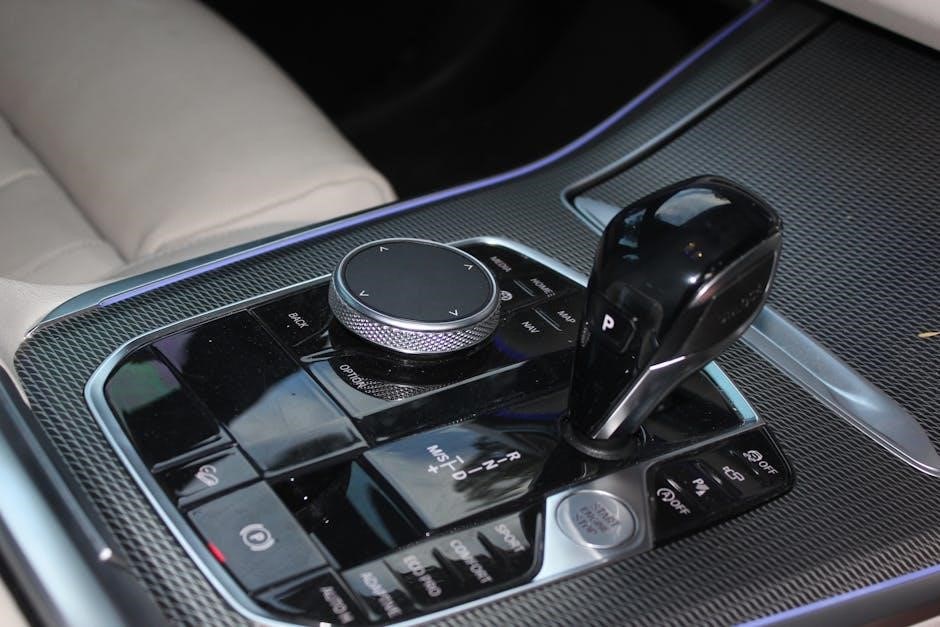
Factors to Consider When Choosing a Shift Knob
Gear selection impacts vehicle control; consider weight‚ grip‚ and aesthetics for optimal performance. Proper gear enhances driving‚ ensuring a comfortable and efficient experience.
Weight and Feel
Gear shift knob weight significantly influences the driving experience‚ impacting shift speed and overall control. Lighter knobs facilitate quicker transitions‚ appealing to those prioritizing rapid gear changes‚ while heavier knobs offer a more substantial‚ connected feel. This increased mass provides tactile feedback‚ enhancing driver confidence and precision during shifts.
The sensation of the gear knob in hand is crucial. A well-weighted knob can reduce fatigue on longer drives‚ as it requires less effort to manipulate. Different materials contribute to varying feels – metal often feels cooler and more robust‚ while resin or wood can offer a warmer‚ more comfortable grip. Ultimately‚ the ideal weight and feel are subjective‚ depending on individual preferences and driving style.
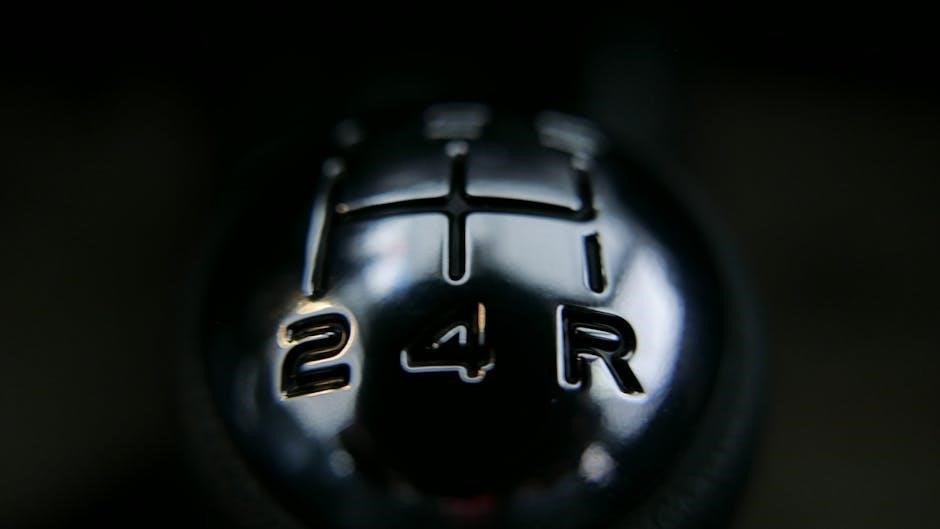
Size and Grip
Gear shift knob size and grip are paramount for comfortable and efficient operation. A knob that’s too small can be difficult to locate quickly‚ hindering smooth gear changes‚ while an excessively large knob might feel cumbersome and awkward. The ideal size complements the driver’s hand‚ allowing for a secure and confident grasp.
Grip texture plays a vital role‚ especially during spirited driving or in inclement weather. Smooth surfaces can become slippery‚ whereas textured materials – like knurling‚ leather‚ or strategically placed grooves – enhance control. Considering the gear mechanism and hand size ensures optimal leverage and reduces the risk of slippage‚ contributing to a more enjoyable and connected driving experience.
Aesthetic Preferences & Customization
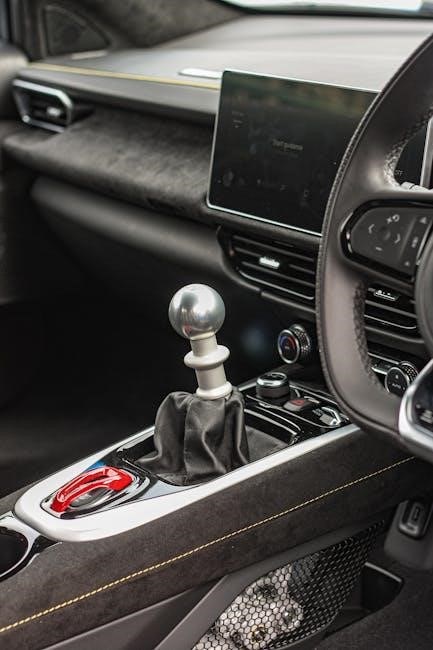
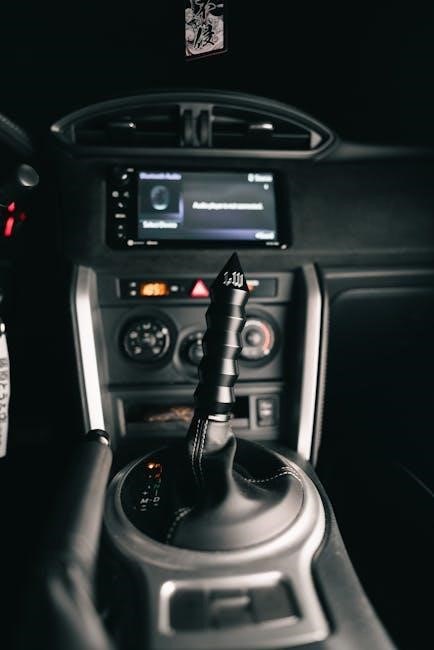
Gear shift knobs extend beyond functionality; they’re a prime avenue for personalizing a vehicle’s interior. Choices range from sleek‚ minimalist designs to bold‚ statement pieces reflecting individual style. Materials like aluminum‚ wood‚ or resin offer diverse looks‚ while colors and finishes further enhance customization.
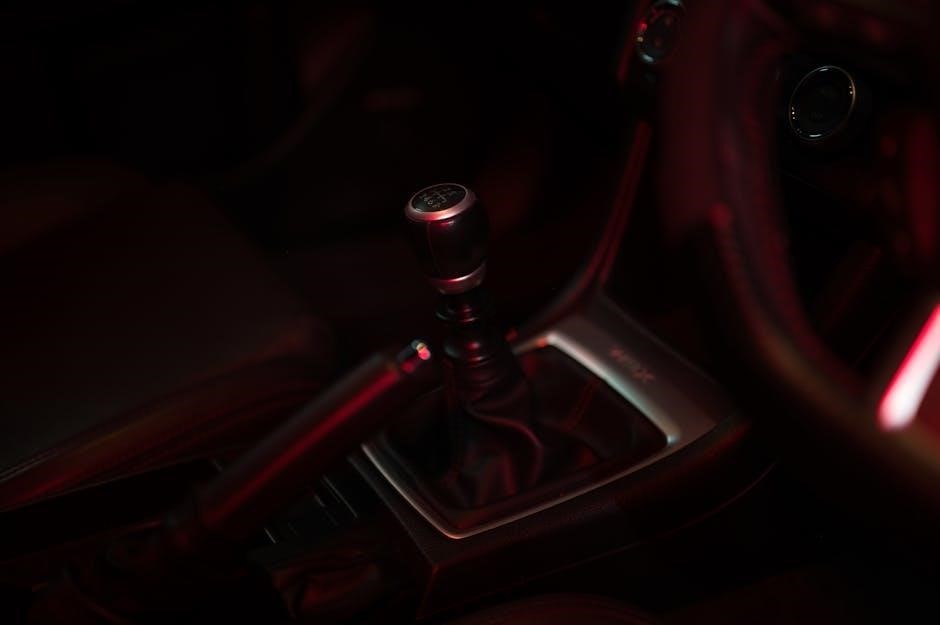
Many enthusiasts opt for unique shapes or incorporate personalized engravings‚ transforming a simple component into a distinctive automotive accessory. The ability to tailor a gear knob allows drivers to create a cockpit that truly reflects their personality and passion for driving. Customization isn’t merely about aesthetics; it’s about forging a deeper connection with the vehicle.
Installation and Compatibility
Gear installations require verifying thread sizes and utilizing adapters when necessary‚ ensuring a secure fit. Compatibility varies by vehicle‚ demanding careful consideration.
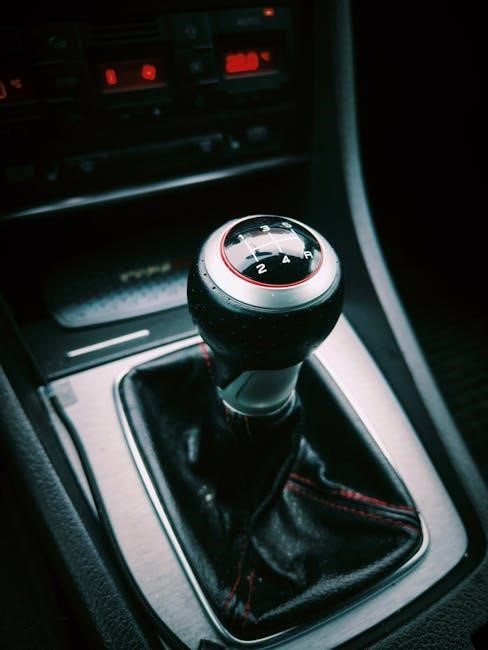
Thread Sizes and Adapters
Gear shift knob installation hinges on understanding thread sizes‚ which aren’t universally standardized across vehicle manufacturers. Common sizes include 10×1.25mm‚ 12×1.25mm‚ and 14×1.5mm; identifying your vehicle’s specific thread is crucial for a secure fit. If a direct match isn’t available‚ adapters become essential.
These adapters‚ typically metal inserts‚ bridge the gap between the knob’s thread and the shift lever. They effectively change the thread pitch and diameter‚ allowing compatibility with a wider range of knobs. Adapters are readily available in various sizes and materials‚ often sold separately or included with the shift knob itself. Proper adapter selection prevents wobbling and ensures safe operation‚ as a loose knob poses a driving hazard. Always double-check compatibility before installation.
Installation Process – A Basic Overview
Gear shift knob installation is generally straightforward‚ though specifics vary. Begin by firmly gripping the existing knob and unscrewing it – sometimes requiring significant force. If stuck‚ specialized tools can assist. Once removed‚ inspect the shift lever’s threads for damage or debris. Apply a small amount of thread locker to the lever’s threads to prevent future loosening.
Carefully screw the new knob onto the lever‚ ensuring it’s aligned correctly. Tighten it securely by hand‚ avoiding overtightening which could damage the lever or knob. Verify the knob’s stability by attempting to rotate or wiggle it. A properly installed knob will feel firm and secure‚ providing confident gear changes. Always prioritize safety during this process.
Compatibility with Different Vehicles
Gear shift knob compatibility hinges on thread size and shift lever diameter‚ varying significantly between vehicle makes and models. Universal knobs often include adapter kits with multiple thread sizes to accommodate a wider range of vehicles. However‚ some vehicles‚ particularly those with unique shift lever designs‚ may require specific knobs or adapters.
Before purchasing‚ confirm your vehicle’s thread pattern (typically metric or standard) and lever diameter. Online resources and vehicle forums can provide valuable information. Incorrectly sized knobs can lead to improper fitment‚ instability‚ or even damage to the shift lever. Ensuring compatibility guarantees a secure and functional upgrade‚ enhancing the driving experience.
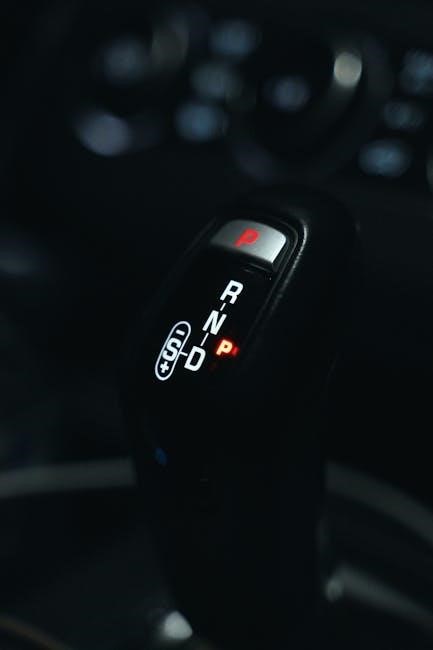
Maintenance and Care
Gear components‚ like shift knobs‚ require routine cleaning to prevent wear; addressing loosening or damage promptly ensures continued functionality and optimal vehicle control.
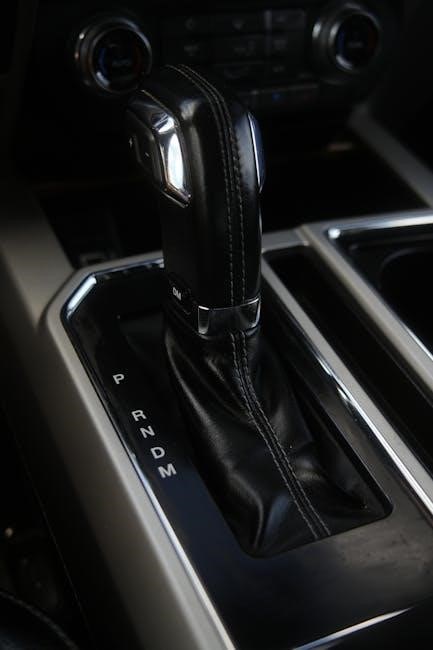
Cleaning Procedures
Gear shift knobs‚ frequently touched‚ accumulate grime and oils‚ impacting grip and aesthetics. Regular cleaning is crucial. Begin with a soft microfiber cloth to remove loose dirt. For persistent buildup‚ a mild soap solution – diluted car wash soap works well – can be applied.
Avoid abrasive cleaners‚ as these can damage the knob’s finish‚ especially on materials like aluminum or wood. After applying the soap solution‚ gently scrub the surface‚ paying attention to crevices. Rinse thoroughly with clean water‚ ensuring no soap residue remains.
Dry the knob completely with a clean microfiber cloth to prevent water spots or corrosion. For leather or wood knobs‚ consider applying a specialized conditioner after cleaning to maintain their texture and prevent cracking. Consistent cleaning preserves the knob’s appearance and enhances the driving experience.
Preventing Wear and Tear
Gear shift knobs endure constant handling‚ making preventative care essential. Avoid harsh chemicals and abrasive cleaners‚ as these accelerate degradation‚ especially on delicate finishes. Regularly inspect the knob for loosening; promptly tighten it to prevent thread damage. Protect the knob from extreme temperatures – prolonged sun exposure can fade colors and crack materials.
Consider using a shift boot to shield the knob from direct sunlight and debris. When not in use‚ a soft dust cover can further minimize wear. For metal knobs‚ applying a protective wax or sealant can guard against corrosion. Gentle handling during shifts reduces stress on the knob and its mounting point‚ extending its lifespan.
Proactive maintenance ensures your gear shift knob remains functional and aesthetically pleasing for years to come.
Addressing Common Issues (Loosening‚ Damage)
A frequently encountered problem is a loosening gear shift knob‚ often due to vibration. Retighten securely‚ but avoid over-tightening‚ which can strip threads. If the threads are damaged‚ explore thread repair kits or consider a knob with an adapter. Minor cosmetic damage‚ like scratches‚ can often be buffed out with appropriate polishing compounds.
For more significant damage – cracks in plastic or resin‚ or corrosion on metal – replacement is usually the best course of action. Inspect the shift lever itself for damage‚ as a worn lever can contribute to knob issues. Remember that a properly functioning gear system relies on all components being in good repair.
Addressing these issues promptly prevents further complications and maintains safe driving conditions.